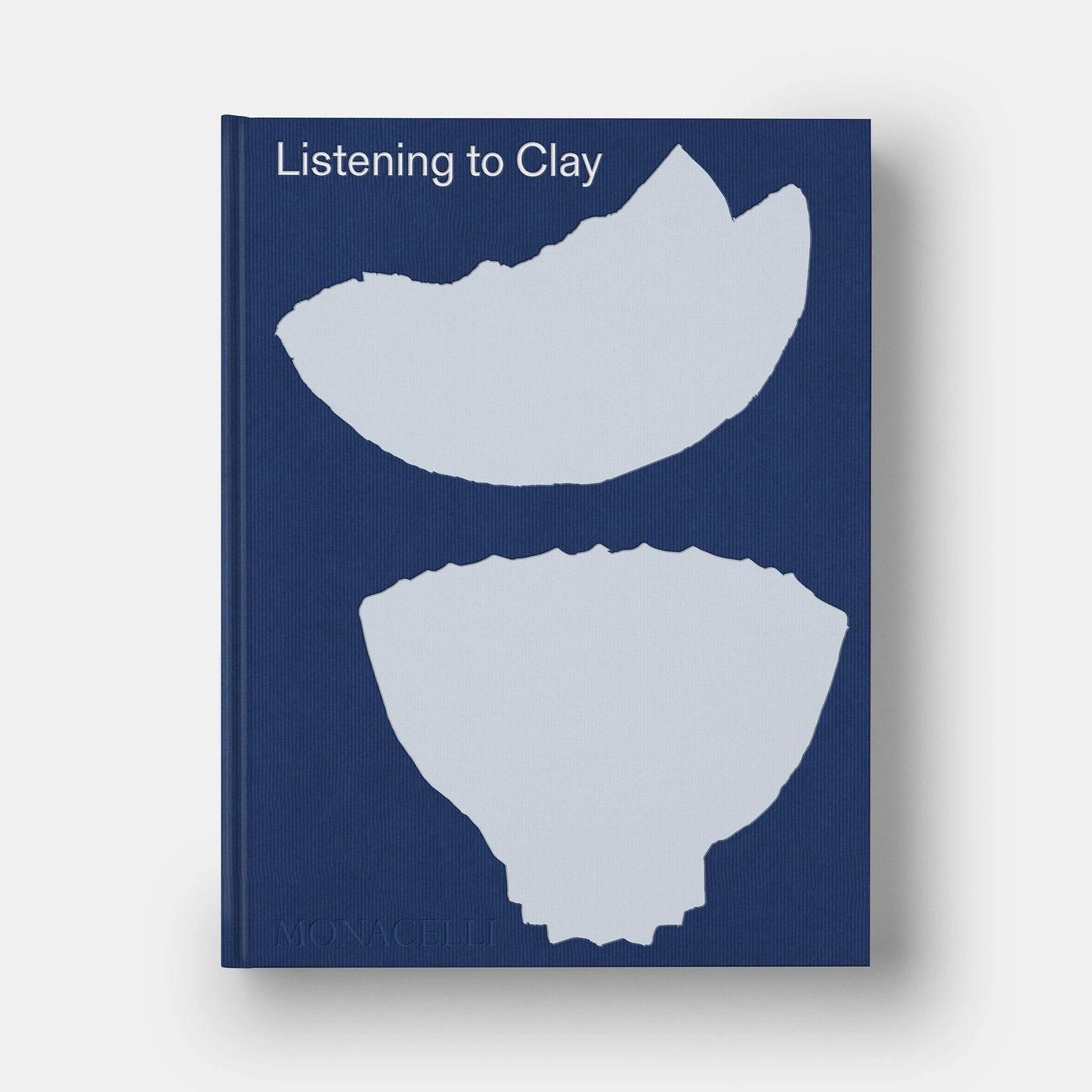
listening to clay | alice north + halsey north + louise allison cort

£44.95
Sold Out

The first book to tell the stories of the most revered living japanese ceramists of the century in their own words, tracing the evolution of modern and contemporary craft and art in japan, and the artists’ considerable influence, which far transcends national borders.

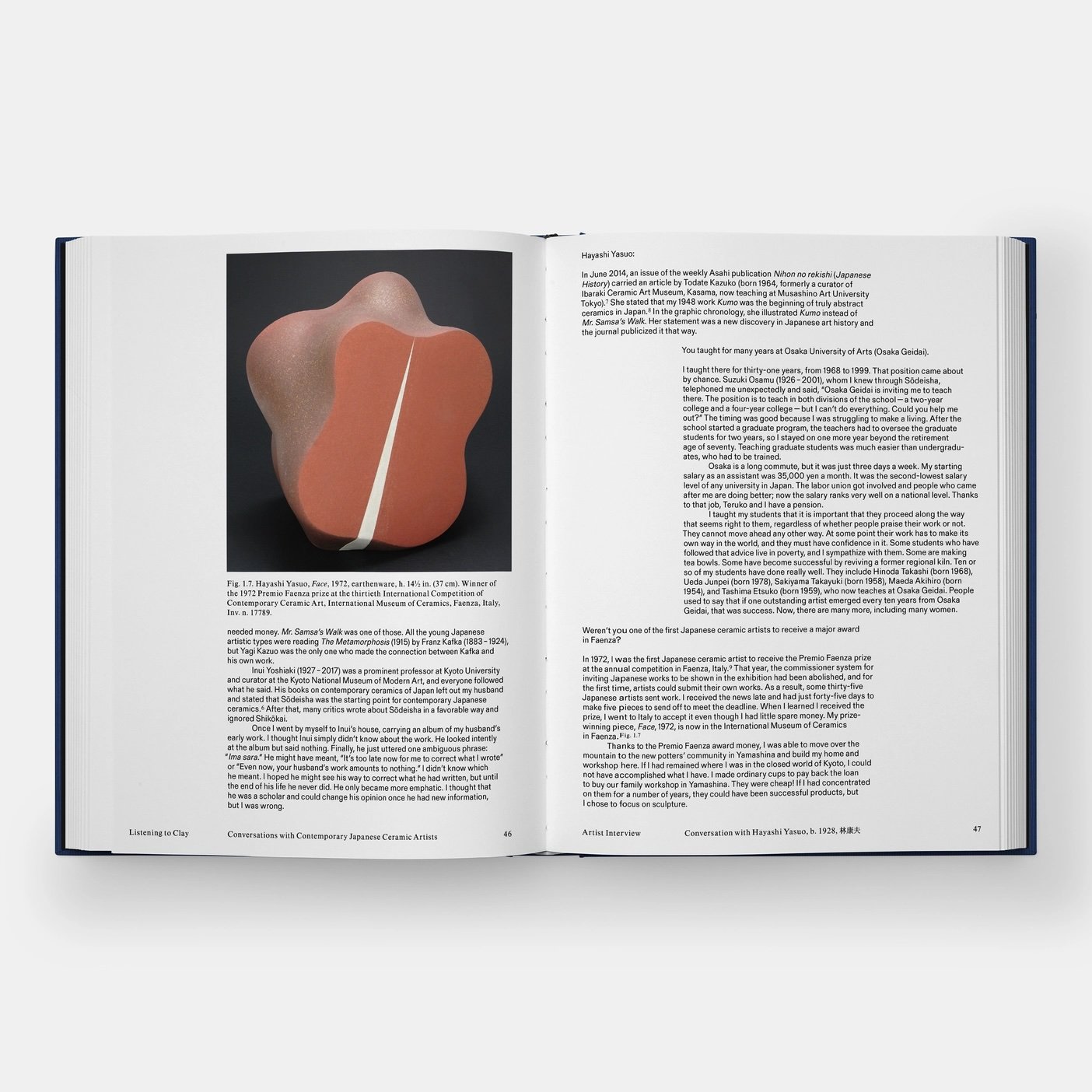
This groundbreaking volume features conversations with key living japanese ceramic artists from the last century, whose skill and creativity influence beyond borders. Spanning ages sixty-two to ninety-two, these sixteen artists have emerged since the late 1940s, sharing their processes, inspirations, and relationships with clay.

They reveal a cultural shift where centuries-old potting traditions opened to new practitioners, including the first women at the Tokyo University of the Arts. Listening to Clay narrates a broader story of ingenuity that has shaped contemporary art in Japan and globally.

Get notified by email when this product is in stock.

The first book to tell the stories of the most revered living japanese ceramists of the century in their own words, tracing the evolution of modern and contemporary craft and art in japan, and the artists’ considerable influence, which far transcends national borders.

This groundbreaking volume features conversations with key living japanese ceramic artists from the last century, whose skill and creativity influence beyond borders. Spanning ages sixty-two to ninety-two, these sixteen artists have emerged since the late 1940s, sharing their processes, inspirations, and relationships with clay.

They reveal a cultural shift where centuries-old potting traditions opened to new practitioners, including the first women at the Tokyo University of the Arts. Listening to Clay narrates a broader story of ingenuity that has shaped contemporary art in Japan and globally.

details + materials

+ Format_ Hardback

+ Size_ 280 × 238 mm

+ Pages_ 352 pp

+ Published_ Phaidon


About — Phaidon

Founded in Vienna in 1923 by Dr. Béla Horovitz, Frederick ‘Fritz’ Ungar, and Ludwig Goldscheider, Phaidon was named after the Greek philosopher Phaedo. Horovitz focused on creating quality books at affordable prices, while Goldscheider contributed elegant designs. The classic Phaidon book format debuted in 1937 with large publications on Van Gogh, Botticelli, and the French Impressionists, pioneering international co-edition publishing.

The Nazis' rise in Vienna forced Horovitz to move to England. For 14 years, Phaidon was distributed by George Allen and Unwin Ltd. Horovitz and Goldscheider expanded the large-format series with works on Donatello, Bellini, and Michelangelo. After the war, the company began innovative art publishing, including a critical catalogue of The Royal Collection and a 'pocket' series of art-history texts. The best-known title, The Story of Art, emerged from Horovitz's meeting with Ernst H. Gombrich, who wrote it after Horovitz encouraged him despite initial hesitation. The book has sold 8 million copies in 40 languages.

Béla Horovitz's sudden death in 1955 led to his son-in-law Harvey Miller directing Phaidon, maintaining high-quality scholarship. After being sold to Frederick Praeger Inc. in 1967, Phaidon struggled and was sold to Elsevier in 1974. Despite expansions in the 1970s, Elsevier found art books unprofitable. In 1981, four directors led a management buyout as Musterlin. Richard Schlagman bought Phaidon in 1990, restoring its reputation and launching new titles in London in 1991. Phaidon's design commitment and fair pricing earned global acclaim with releases like The Silver Spoon (2005) and Wallpaper City Guides (2006).